Grief can make an ordinary day feel unfamiliar. A person who has lost a parent, spouse, child, friend or another important person may still go to work, answer messages and attend family gatherings while privately struggling with sadness, anger, loneliness or confusion.
This is why a supportive community matters. Grief is personal, but people do not have to experience it in isolation. A safe community can give someone room to mourn without being judged, rushed or pressured to “move on”.
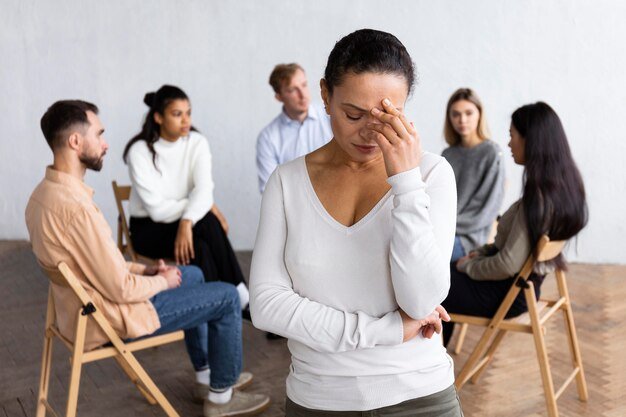
Recent research and guidance increasingly point to the importance of social connection in helping people navigate bereavement. According to the , support groups can help people affected by suicide loss break silence, reduce stigma and connect with others who understand their experience.
Start by Making People Feel Safe
The first responsibility of a grief-support community is not to fix someone’s pain. It is to make the person feel safe enough to experience it.
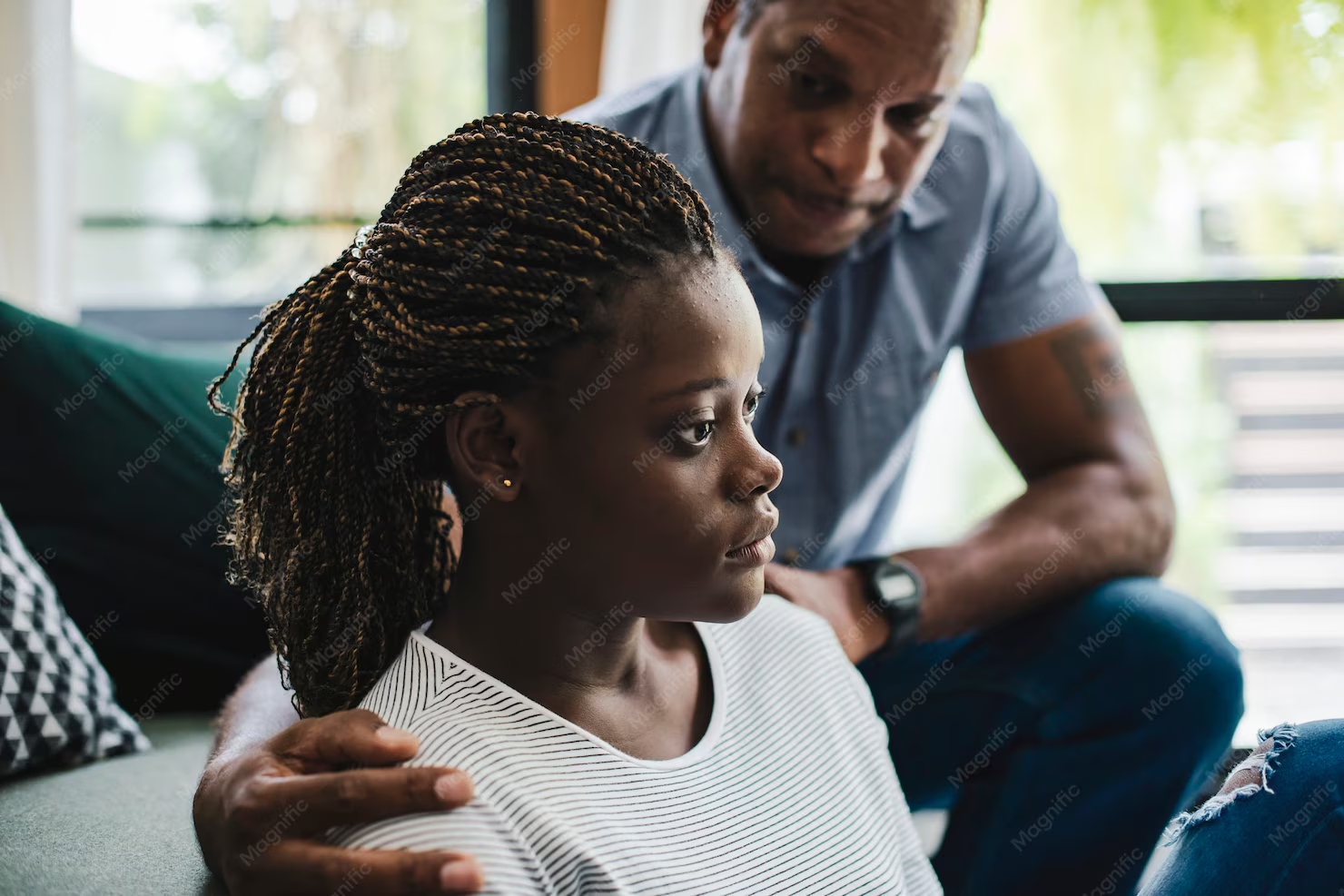
That means listening without immediately offering advice. Telling a grieving person to “be strong”, “forget about it” or “everything happens for a reason” may be intended as encouragement, but such comments can make the person feel misunderstood.
The WHO’s guidance on psychological support after major loss recommends listening carefully, addressing practical and social needs, and avoiding pressure to talk about the traumatic experience.
A safe community should therefore allow people to speak when they are ready and remain quiet when they are not.
Understand That Grief Does Not Follow One Pattern
There is no single timetable for grief.
One person may cry frequently. Another may appear calm. Someone may return to work quickly while another struggles to concentrate months later. Cultural traditions, the relationship with the deceased, circumstances surrounding the death and a person’s existing support network can all influence how grief is experienced.
According to the Centers for Disease Control and Prevention (CDC), grief can affect emotions, sleep, appetite, energy and mood, and people may experience sadness, anger, numbness, confusion or feelings of hopelessness.
Community leaders should therefore avoid comparing people’s experiences. “You should be over this by now” is rarely helpful.
Instead, ask simple questions such as, “How are you managing today?” or “What would be helpful right now?”
Build Real Community, Not Just Occasional Check-ins
A supportive community should extend beyond the funeral or the first few weeks after a death.
Research published in 2025 on bereaved adults in the United Kingdom found that community belonging was a particularly strong protective factor against loneliness. The researchers found that broader community belonging was more strongly associated with reduced loneliness than personal social contact alone.
This has an important practical lesson: sending a sympathy message is helpful, but consistent inclusion can be even more meaningful.
Friends, religious organisations, neighbourhood groups, schools and workplaces can create simple structures such as regular check-ins, small support groups, shared meals, practical assistance and remembrance activities.
The goal is not to keep people permanently focused on their loss. It is to help them remain connected to life while they grieve.
Give Practical Help, Not Only Emotional Words
Grief can also create practical problems. Someone who has lost a spouse may suddenly have to manage childcare, finances, household responsibilities or administrative tasks alone.
This is particularly important in communities where professional bereavement services are difficult to access.
A 2024 systematic review examining bereavement support for parents in low- and middle-income countries highlighted gaps in available support and the importance of approaches that fit local cultural and social realities.
Sometimes meaningful support is therefore very practical: preparing food, helping with children, accompanying someone to an appointment, assisting with paperwork or simply staying nearby.
Know When Professional Help Is Needed
Community support is valuable, but it is not a substitute for professional mental-health care when someone is experiencing serious or persistent difficulties.
The WHO now recognises prolonged grief disorder within its ICD-11 clinical guidance, helping health professionals identify when grief has developed into a condition requiring specialised assessment and care.
A community should therefore have clear pathways for referring people to counsellors, psychologists, doctors or other qualified professionals.
This is especially important when someone shows signs of severe depression, persistent inability to function, extreme isolation, substance misuse or thoughts of self-harm.
Create Spaces Where Nobody Has to Grieve Alone
Evidence increasingly supports the idea that belonging can be part of the support people need after loss.
A 2024 study of bereavement support groups found that participants experienced improved perceived mental wellbeing and lower vulnerability in grief after a six-week programme, although the researchers also noted that people can respond differently to group support.
Creating a safe grief community therefore does not require expensive facilities or complicated programmes. It begins with people who are willing to listen, respect different grieving styles, provide practical help and remain present after the initial sympathy has faded.
For someone experiencing grief, knowing that people will still answer the phone months later can be a powerful reminder: I am hurting, but I am not alone.