Stay informed about our programmes, mental wellness initiatives, community activities, stories of hope, and opportunities to support our mission of creating safe spaces where healing and confidence can grow.
Receive updates on new programmes, community activities, volunteer opportunities, and stories that inspire hope and resilience.
Connect with us and be part of a growing community committed to healing, compassion, and meaningful change.
Mental health is often treated as a private struggle. When someone is grieving, dealing with anxiety, recovering from trauma or simply going through a difficult period in life, the usual advice is often to “stay strong” or “think positively”. But emotional well-being is not built by individual effort alone.
The people around us matter.
A supportive friend, family member, mentor, neighbour, faith community, youth group or professionally organised support group can provide something that is difficult to create alone: a sense of belonging. Research increasingly shows that meaningful social connection is closely linked with mental and physical well-being.
Loneliness is more than simply being alone
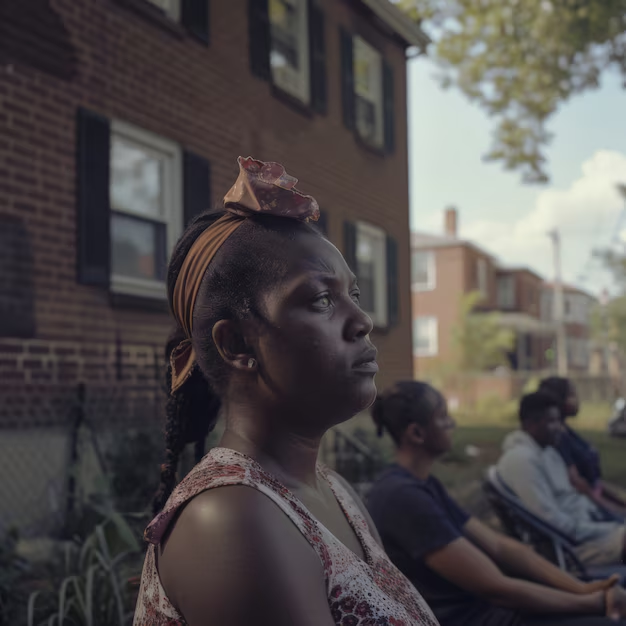
Being alone and feeling lonely are not necessarily the same thing. Someone may spend considerable time alone without experiencing loneliness, while another person can live in a busy household and still feel deeply disconnected.
The World Health Organization (WHO) has increasingly treated social connection as a public health issue. According to the WHO Commission on Social Connection, 2025, approximately one in six people worldwide experience loneliness. The organisation also reported that loneliness and social isolation are associated with poorer mental health, including depression and anxiety, as well as several physical health problems.
The WHO’s 2025 report is particularly important because it moves the conversation beyond telling individuals to simply “make more friends”. It argues that governments, communities, schools, workplaces and other institutions all have a role in creating environments where meaningful relationships can develop.
What research says about social connection
The relationship between social connection and health has been studied for years.
A major meta-analysis by Holt-Lunstad and colleagues examined 148 studies involving more than 300,000 participants. The researchers found a strong association between social relationships and survival, suggesting that people with stronger social relationships tended to have better health outcomes.
More recent evidence continues to support the importance of connection. A 2024 umbrella review published in the journal Health Psychology Review examined research on loneliness and social isolation and found that different types of interventions could produce small to moderate improvements in social isolation and loneliness. The researchers also noted that more rigorous research is needed to determine which interventions work best for different groups.
A separate 2024 umbrella review by Gasull-Molinera and colleagues examined the relationship between loneliness and mental and physical health. According to the researchers, loneliness was consistently associated with poorer well-being and increased risk of negative mental and physical health outcomes. However, they cautioned that the available evidence did not establish causation in every case.
This distinction matters. It is scientifically inaccurate to say that loneliness automatically causes depression or physical illness. But the evidence is strong enough to show that persistent social disconnection deserves attention as part of a broader approach to health.
Community support can create a bridge to help
Imagine someone who has lost a parent, spouse, child or close friend.
In the first few days, people may call, visit and send messages. After several weeks, however, most people’s lives return to normal. The grieving person may still be struggling.
This is where community support can become valuable.
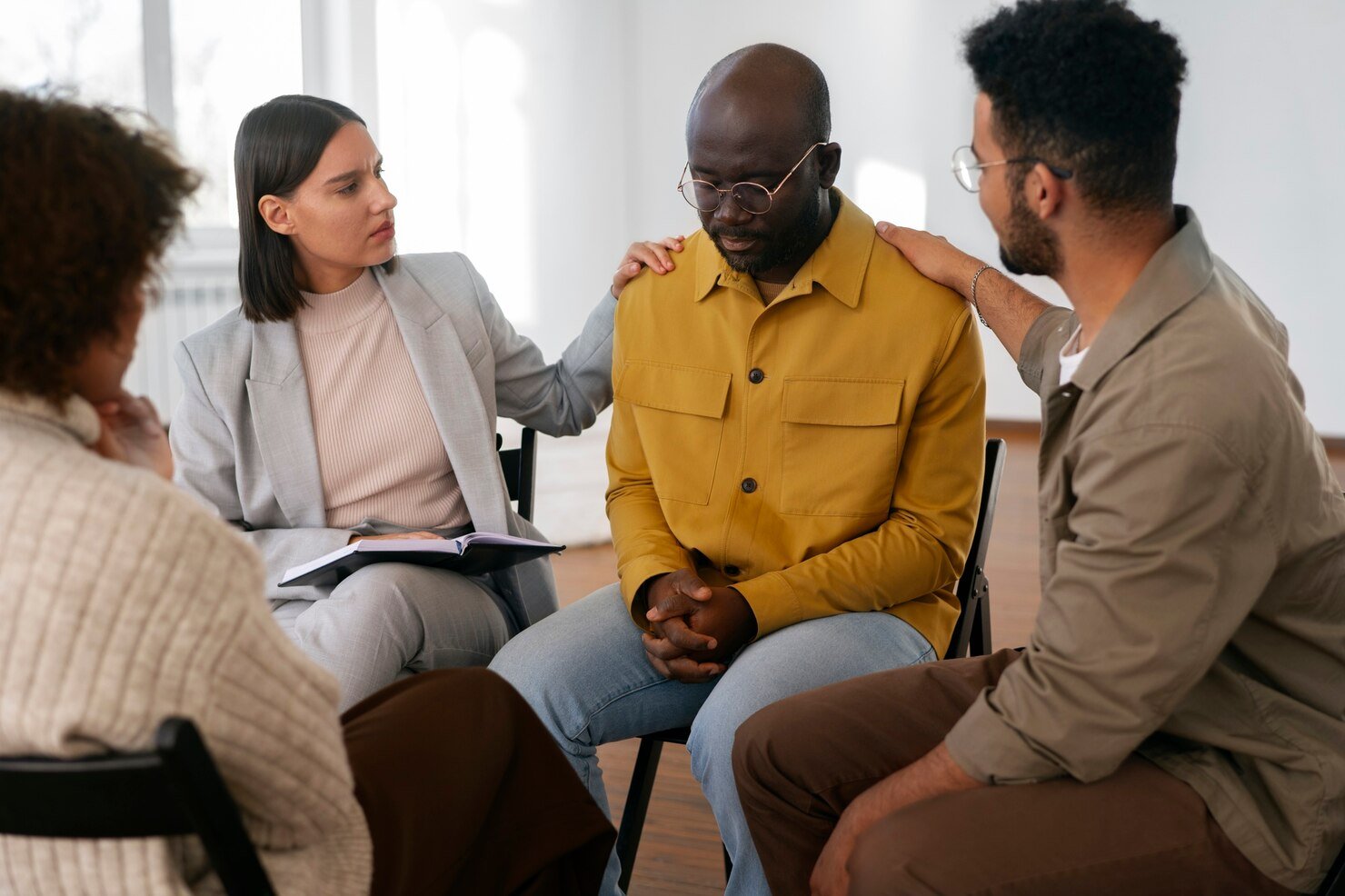
A grief-support group, trusted mentor or community organisation can provide a place where people can talk about experiences that others may not understand. It does not necessarily remove the pain, but it can make the person feel less isolated while they work through it.
The same principle can apply to young people experiencing academic pressure, family difficulties, bullying or major life changes. A young person may not immediately seek help from a psychologist or psychiatrist. Sometimes the first person they speak to is a teacher, friend, mentor, youth worker or another trusted adult.
That first conversation can become a bridge to appropriate professional support.
Peer support can help, but it must be responsible
Peer support is another important part of community-based mental health work. It involves people using their own experiences to support others facing similar challenges.
A 2024 systematic umbrella review by Cooper and colleagues, published in BMC Medicine, examined evidence surrounding paid peer-support approaches in mental health. The review found evidence of potential benefits across areas such as recovery and empowerment, while also highlighting important challenges around training, supervision, role clarity and implementation.
Another systematic review and meta-analysis published in 2024 examined peer-support interventions for people with schizophrenia-spectrum disorders. The researchers reported improvements in recovery and empowerment outcomes, although they also noted limitations in the existing evidence.
The practical lesson is important: peer support should complement professional care rather than pretend to replace it.
A community volunteer can listen, encourage someone, provide companionship and help connect them with appropriate services. They should not diagnose mental illnesses, prescribe treatment or discourage someone from seeking professional help.
Why community-based care matters
Mental health services remain inaccessible to many people around the world. The problem is particularly serious in countries and communities where there are too few trained professionals and where the cost of treatment can prevent people from seeking help.
The WHO’s World Mental Health Report, 2022, called for greater investment in mental health promotion, prevention and community-based services. The organisation argues that effective mental health systems should not depend entirely on hospital-based or specialist services but should also operate within communities where people live and work.
In a 2025 WHO update, the organisation reported that more than one billion people worldwide were living with mental health conditions and highlighted continuing shortages in mental health workers, particularly in low- and middle-income countries.
For countries such as Nigeria, this makes community-level support especially relevant. Community organisations cannot solve the shortage of specialists on their own, but they can help people recognise problems earlier, reduce isolation and create pathways towards appropriate care.
What meaningful community support looks like
Community support does not have to begin with a large facility or expensive programme.
It can start with a safe place where people can talk without being mocked. It can involve structured grief-support meetings, youth mentorship, community outreach, mental-health education, volunteer programmes or regular check-ins with vulnerable people.
Good support also requires boundaries.
People should know when a situation requires a trained professional. Organisations should have clear safeguarding procedures, protect confidentiality and know where to refer people who require specialist care.
The WHO’s 2025 guidance on community-based mental health care emphasises the importance of combining different forms of support so that people can receive appropriate care while remaining connected to their communities.
A healthier community begins with connection
Mental health is personal, but it is not entirely private.
The quality of our relationships, the communities we belong to and whether we have people we can turn to during difficult moments can influence how we cope with life’s challenges. Research does not suggest that friendship or community support can cure mental illness. It does show, however, that social connection is an important part of human well-being and that persistent loneliness should not be dismissed as simply a personal weakness.
Sometimes support begins with something very small: checking on someone who has become unusually quiet, listening without immediately trying to fix the problem, inviting someone into a community activity or helping them find professional assistance.
For someone going through a difficult season, knowing that they do not have to face it completely alone can be a powerful beginning.